 FlashFerry



What makes London in December
The department stores are the reason to cross the Channel: Harrods in Knightsbridge, Selfridges and Liberty off Oxford Street, Fortnum & Mason on Piccadilly, Hamleys for toys on Regent Street. All of them dress their windows for the season, and Selfridges famously opens its Christmas shop in late summer. Add the lights over the shopping streets, switched on in November, Winter Wonderland in Hyde Park with its ice rink and stalls from mid-November to early January, and the markets on the Southbank and in Leicester Square.
If you dislike crowds, come midweek and in the morning. December Saturdays on Oxford Street really are as busy as you imagine. On Sundays large shops in England may open for only six hours, usually noon to 6 pm.

Via Calais–Dover: 90 minutes
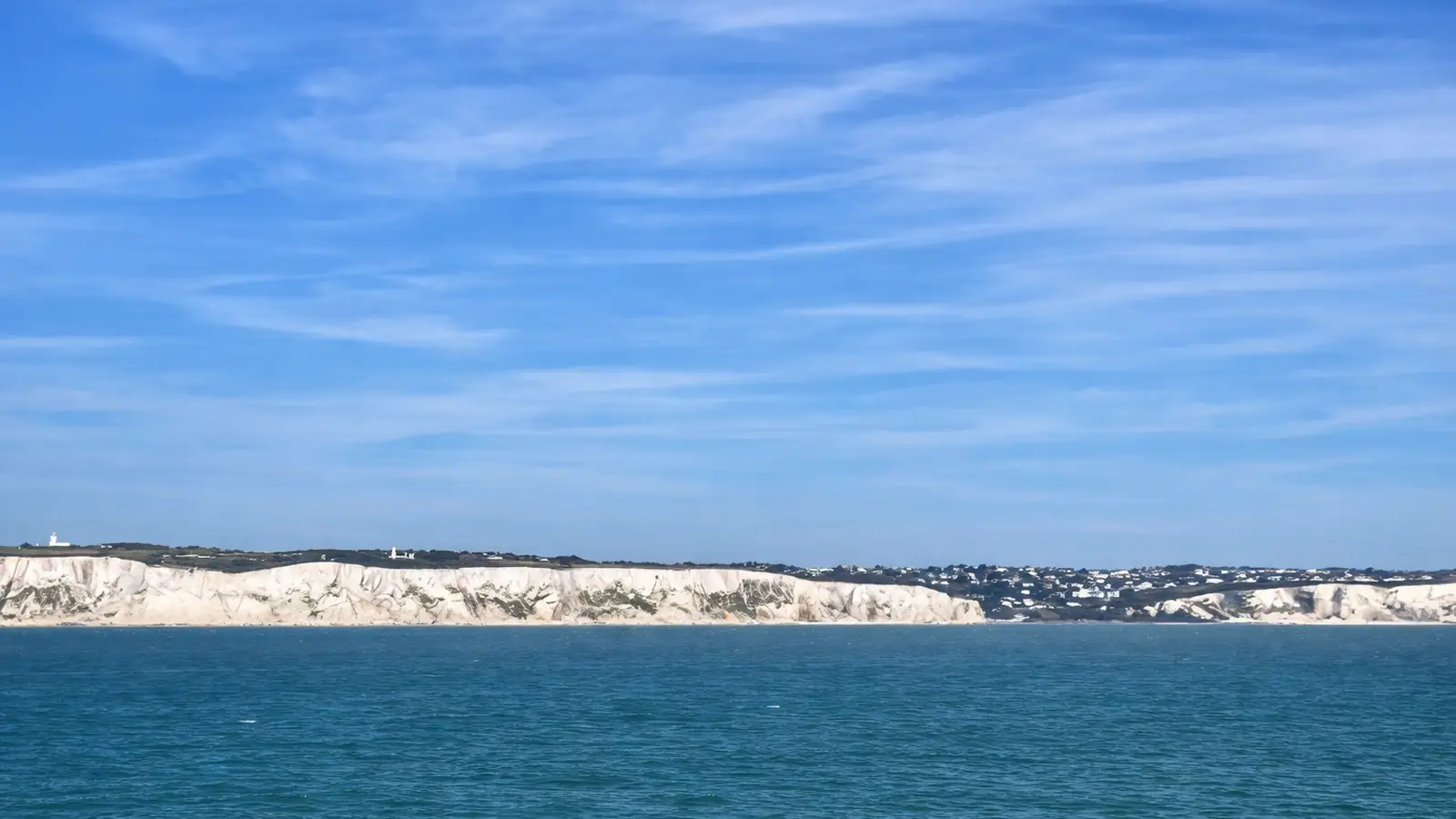
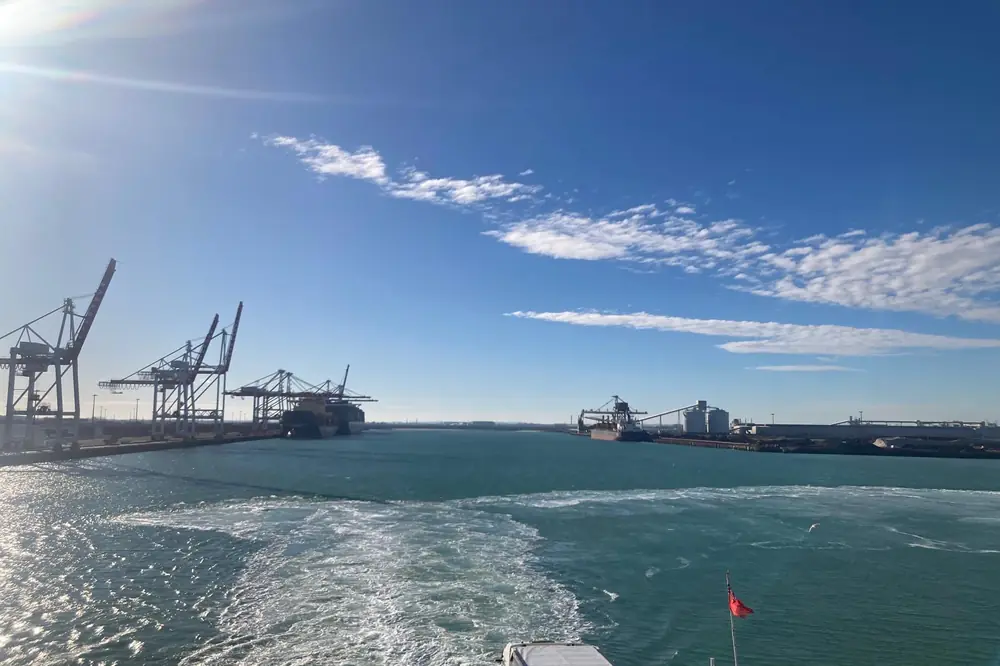
Calais–Dover is the shortest crossing and runs almost hourly in daytime – our August timetable archive shows up to 41 sailings a day, each between 90 and 120 minutes. Two operators share the route, so you rarely wait long. From Dover Priory, trains reach London St Pancras in just over an hour; foot passengers take a shuttle bus from the port to the station. Dunkirk–Dover is the alternative: two hours, quieter and often cheaper, sensible if you arrive through Belgium.
From the Netherlands or Ireland
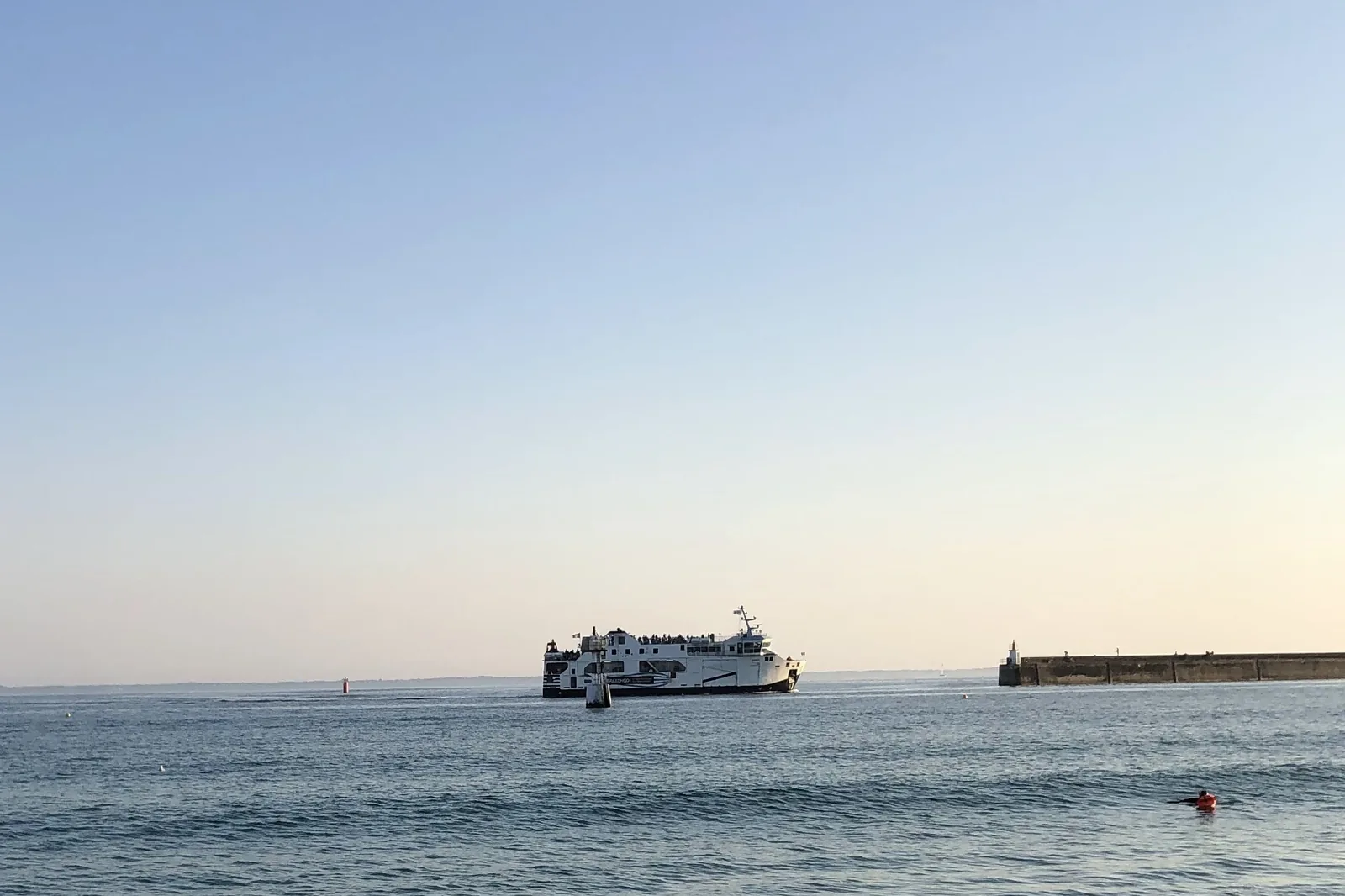
From the Netherlands, the Hook of Holland–Harwich overnight ferry is the classic: you arrive in the morning and Harwich has a direct train to London Liverpool Street in about an hour and a half. From Ireland, Dublin–Holyhead takes 3 h 30, and trains along the North Wales coast reach London Euston in around three and a half hours – a long day, but a full day's shopping if you sleep on the way.
By car: to Dover yes, into the city no
Driving on the left, the Congestion Charge in the centre, the ULEZ across all of London and parking charges that dwarf the ferry fare – for a shopping day the car is the wrong companion in London. Leave it in Dover or at a park-and-ride station and take the train. If you only need the ferry for the shopping, travel as a foot passenger: tickets are cheaper and there is no vehicle check.
Documents, customs and what applies in 2026
- Passport: since 1 October 2021 the UK no longer accepts EU national ID cards. Children need their own passport.
- ETA: the Electronic Travel Authorisation is mandatory for EU visitors. Apply online before you leave – it is checked at the port.
- No tax-free: the UK abolished VAT refunds for tourists in 2021. The price on the tag is what you pay.
- Back into the EU: goods up to €430 per person are duty-free; above that you declare. Alcohol and tobacco have their own allowances.
- Paying: cards almost everywhere, mostly contactless; when a terminal offers to charge in euros, choose pounds instead.
When to go
The lights are on from mid-November, when shops have the fullest stock and the streets are not yet at their busiest. The last weekend before Christmas is the busiest. On 25 December London is shut – shops, Tube, buses, and hardly any ferries. 26 December is Boxing Day, when the sales start and shops open early. Ferry fares rise around Christmas and New Year; our archive so far holds only late-summer prices for the Channel routes, so we quote none here.

Frequently asked questions
Is an EU ID card enough for London?
No. Since October 2021 EU citizens need a passport, plus the Electronic Travel Authorisation (ETA).
How do I get from Dover to London?
By train from Dover Priory to London St Pancras in just over an hour. A bus links the ferry port and the station.
Is there still tax-free shopping in London?
No, VAT refunds for tourists were abolished in 2021.
What can I bring home duty-free?
Goods up to €430 per person, plus allowances for alcohol and tobacco. Above that you declare on entering the EU.
Is it worth driving into central London?
Not for a shopping day: Congestion Charge, ULEZ and parking. Leave the car in Dover or travel as a foot passenger.
Departures and prices from all operators at a glance.
Search ferries